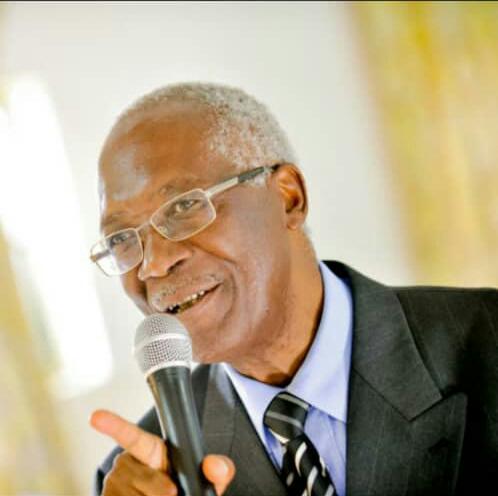
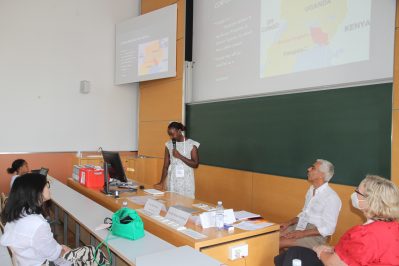
For the coming five years (September 2022- August 2026), Inge Brinkman (BantUGent, African Studies, Ghent University), Teshome Mossissa (Institute of Oromo Studies, Jimma University) and Peter Wasamba (Department of Literature, University of Nairobi) will be the promotors of the VLIR-UOS Team-project titled “STORYTELLING AND YOUNG PEOPLE COPING WITH CRISIS: ORAL NARRATIVES AND CRISIS MANAGEMENT IN KENYA AND ETHIOPIA“.
Following Team-members will join the project:
- James Wachira (Post-Doc researcher and coordinator, University of Nairobi)
- Milkessa Edae (Ph.D. candidate, Jimma University)
- Hellen Kagotho (Ph.D. candidate, University of Nairobi)
- Megersa Regassa (Ph.D. candidate, Jimma University)
- Gerti Wouters (Team member, Media, Head Journalism Dept., HoWest, Belgium)
- Kimingichi Wabende (Team-member, Applied Theatre, University of Nairobi)
- Nega Jibat (Team-member, Sociology, Jimma University)
This project is focused on ‘Oral Literature for Development’ (OL4D) as a new line of thinking. It introduces OL4D firmly based on the belief that culture and creativity are central for all people’s development. The team sees huge potential in the cultural-historical ways in which people have dealt with crisis situations through their history of literary expression, but at the same time it is reckoned that many adolescents, especially in urban contexts, in Kenya and Ethiopia do not connect to this literary history when faced with crisis situations. Through performative learning procedures the project aims at enabling young people to engage with living oral traditions of storytelling, thereby reflecting on the potentialities of crisis management.
The new project will focus on five domains in the narratives, namely:
1) Gendered crisis situations;
2) Othering and exclusion;
3) Poverty;
4) Disease;
5) Ecological crisis.
The new project views the practical and goal-oriented (re)connection with oral narrative genres as part of a decolonisation process, whereby academic and developmental models are opened up to include alternatives through indigenous epistemological models. It will in practice:
1) organise an interuniversity Oral Literature for Development Hub (OL4D-Hub);
2) engage elderly and young performers/audiences in live performances and workshops;
3) create an intermedial educational tool on oral storytelling and crisis management;
4) exchange on research and education on Oral Literature for Development in a South-South-North cooperation.