CongUbangi at the annual European Association of Archaeologists conference in Rome

On August 29th Peter Coutros (CongUbangi), Igor Matonda (UNIKIN), Henri Zana (CongUbangi), Lucien Pierre Nguerede (CongUbangi) and Sara Pacchiarotti (CongUbangi) presented their research on “Central African archaeology of the northern Bantu borderlands: Initial Results of the CongUbangi research project” at the annual European Association of Archaeologists conference in Rome. The presentation was in The Archaeology of Ancient Borderscapes: Multiple Approaches, New Paradigms session and focused on the results from the team’s recent archaeological and ethnoarchaeological fieldwork in Sub-Ubangi province DRC. The preliminary results revolved around:

  1. Archaeology: The team identified 23 new sites and conducted excavations at six of these locations. These efforts have resulted in several new Early Iron Age and Late Iron Age material culture assemblages.
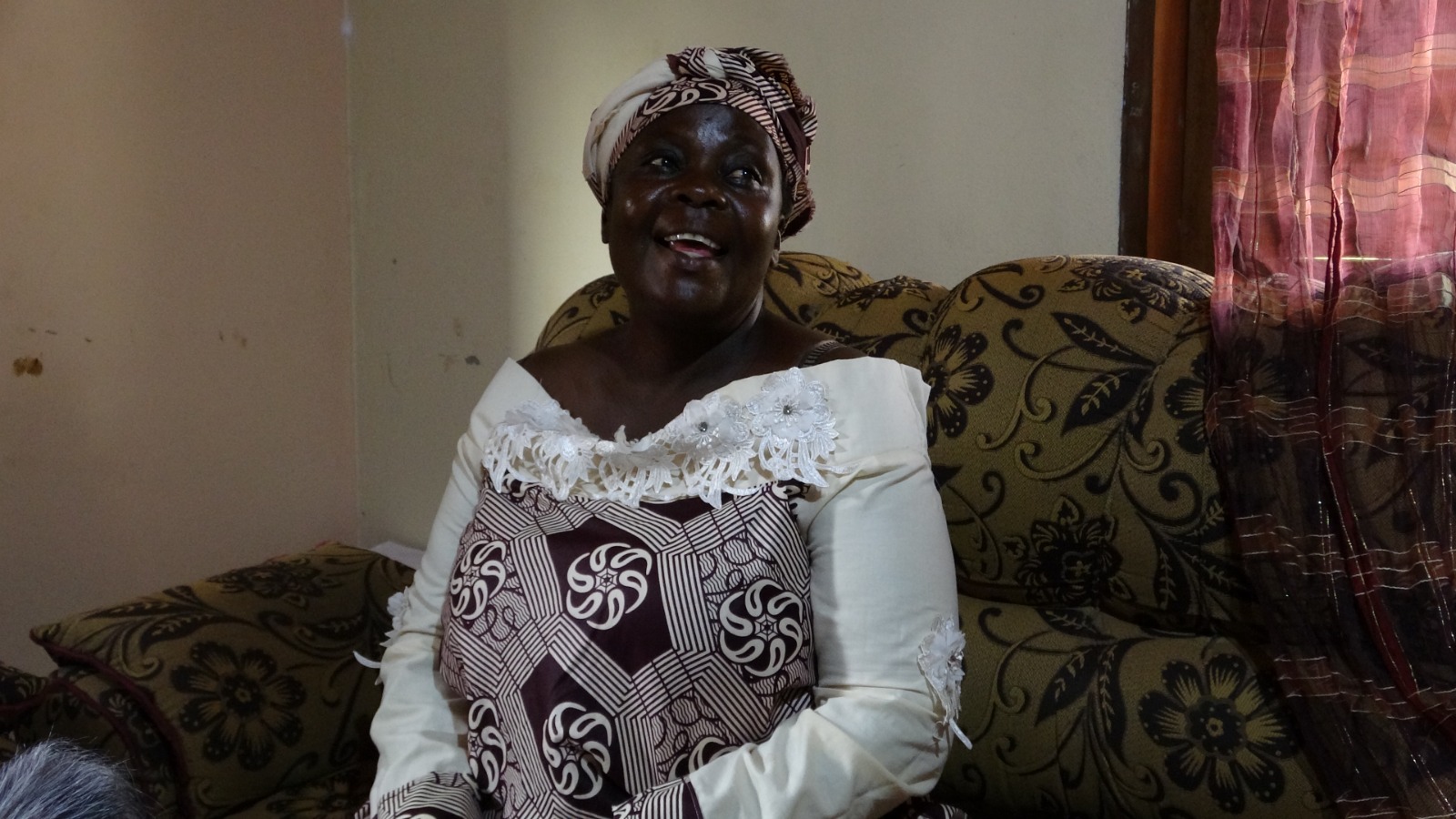
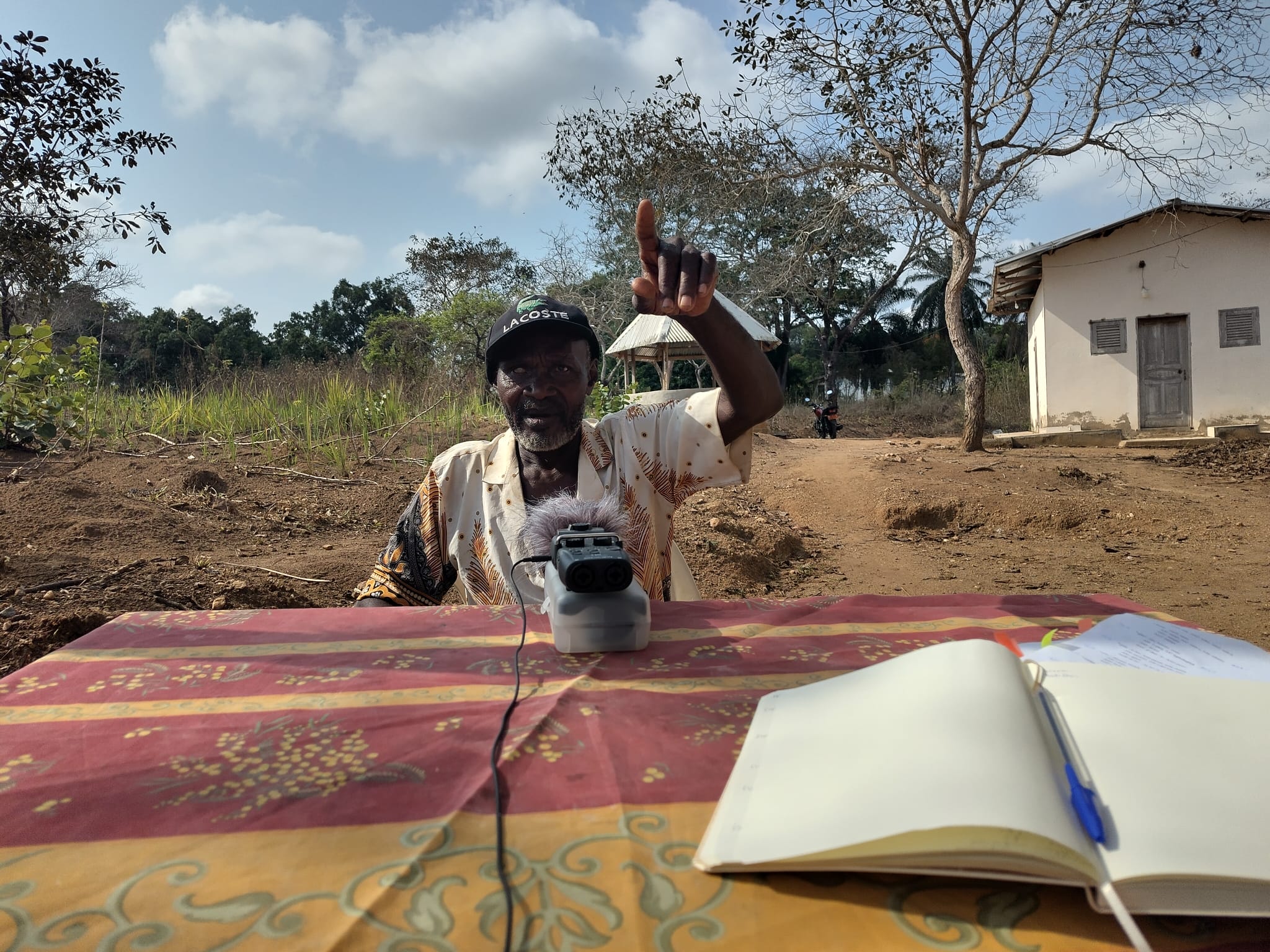
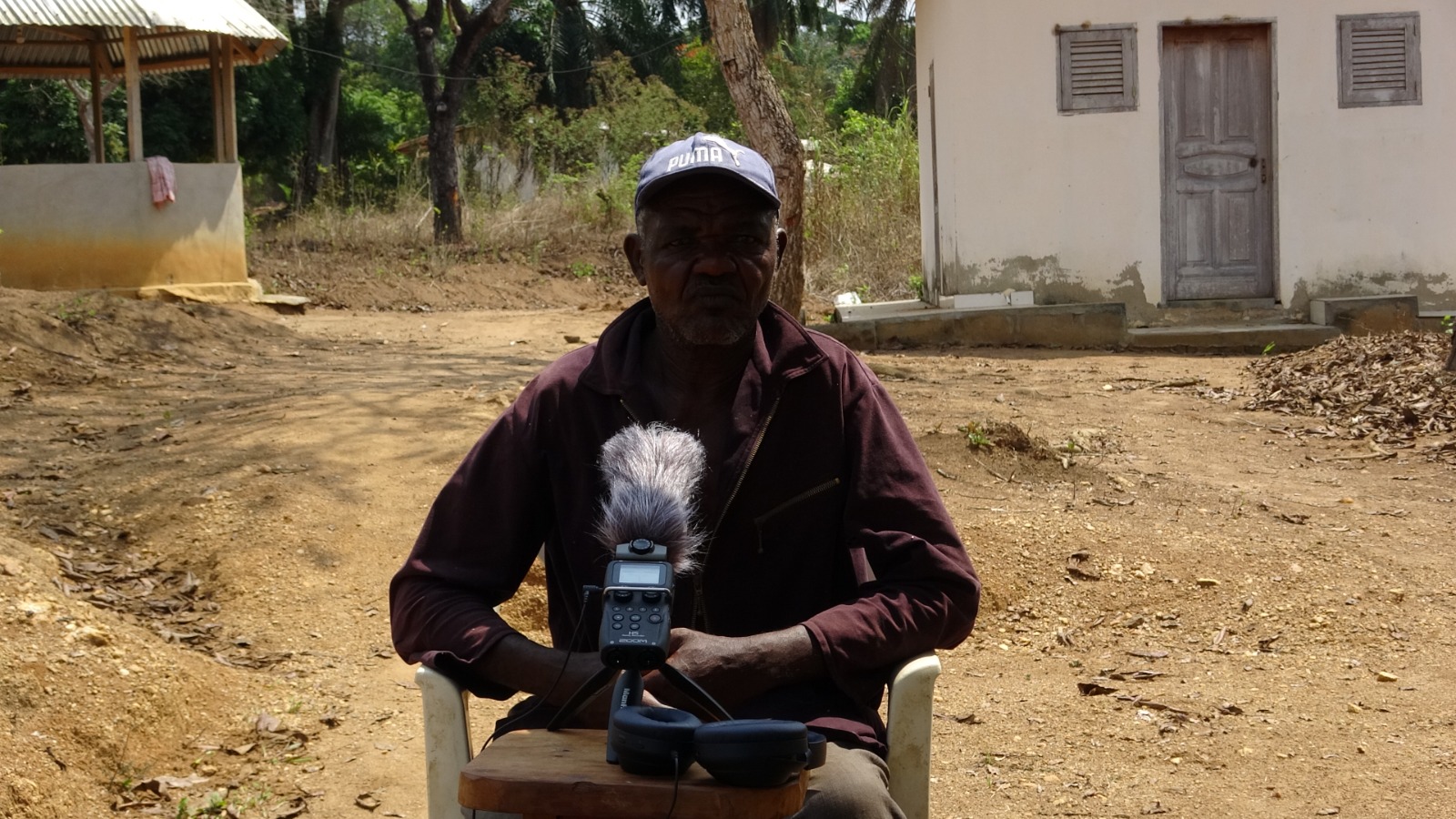
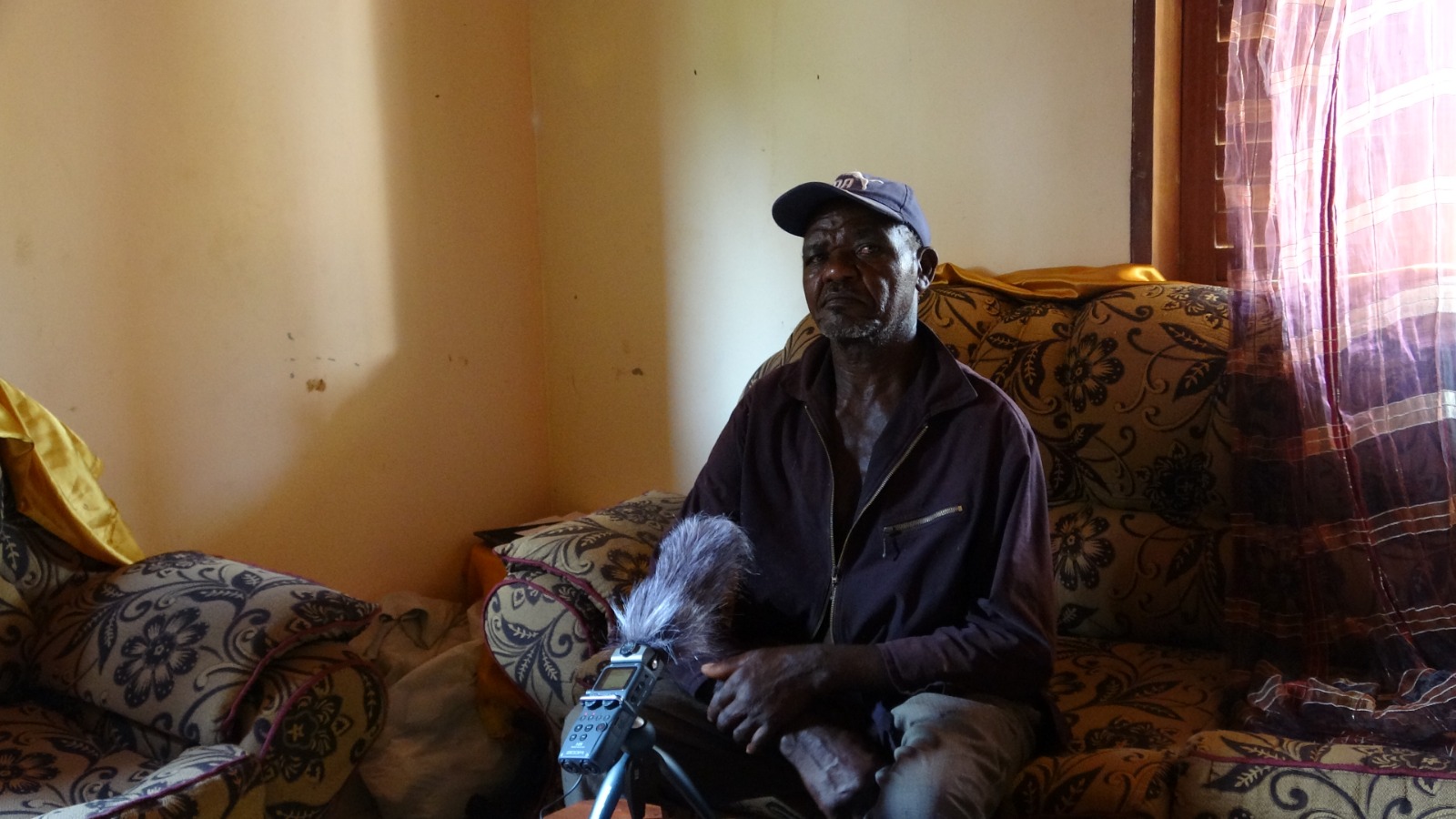
  2. Ethnoarchaeology: The team conducted ethnographic studies of pottery production at two Ubangi-speaking communities near Gemena and Libenge, DRC. Interviews were conducted with four potters who provided descriptions and demonstrations of the pottery forming and decorating processes.

Hilde Gunnink and Nina Van der Vlugt talk at CALL53 in Leiden

At the 53rd Colloquium on African Languages and Linguistics in Leiden (August 26-28), Hilde Gunnink and Nina van der Vlugt (BantUGent) presented their collaborative research in the joint talk titled “The development of lateral obstruents in Southern Bantu: A comparative diachronic study“.

BantUGent at Bantu10 in Dar es Salaam

The 10th International Conference on Bantu Languages (Bantu10) was held at the Dar es Salaam University College of Education (DUCE), Tanzania on August 12-14, 2024. Among many others, the program included eleven talks involving BantUGent people (bolded), including a keynote talk opening the conference.


  • “Swahili impact in the strong necessity domain” by Rasmus Bernander, Gilles-Maurice de Schryver, Maud Devos, Ponsiano Kanijo
  • “Reconstructing the Bantu Expansion: Do linguists still matter?” by Koen Bostoen (keynote talk)
  • “Proto-West-Coastal Bantu personal and possessive pronouns: Morphological reconstruction and low-level subgrouping” by Koen Bostoen, Sara Pacchiarotti and Heidi Goes
  • “Imagined Language Unity versus Observed Language Diversity in Cabinda” by Heidi Goes and Koen Bostoen
  • “The development of lateral obstruents in Southern Bantu: A comparative diachronic study” by Hilde Gunnink and Nina van der Vlugt
  • “The genealogy of Yeyi (R41): an only child in Eastern Bantu” by Hilde Gunnink, Natalia Chousou-Polydouri and Koen Bostoen
  • “Labial-velar stops in Sakata: phonology, acoustics, aerodynamics” by Lorenzo Maselli
  • “Early Bantu loans from and into Cushitic” by Maarten Mous and Nina van der Vlugt
  • “Language contact in the Lower Zambezi River at the origin of Chikunda: Bantu Spirantization as a diagnostic case study?” by Edward Ntonda, Rozenn Guérois and Koen Bostoen
  • “On the polyfunctional nature of the verbal prefix ka- in Chikunda” by Rozenn Guérois and Aron Zahran
  • ““Nothing is in vain”: Non- standard negation in Central Tanzanian Bantu.” by Aron Zahran

BantUGent at WOCAL11 in Nairobi


The 11th World Congress of African Linguistics (WOCAL11) was held at the University of Nairobi, Kenya on August 5-9, 2024. The program included, among many others, several talks involving BantUGent people (bolded):


  • “The verb -weza in and out of Swahili” by Rasmus Bernander, Gilles-Maurice de Schryver, Maud Devos, Ponsiano Kanijo
  • “The lifeworld of ancestral West-Coastal Bantu speakers: insights from lexical reconstruction” by Koen Bostoen, Jessamy Doman, Sara Pacchiarotti and Sifra Van Acker
  • “Stilled objects versus cultural histories. Reconnecting museum objects related to coffee and cassava to past and present Tetela vocabularies” by Maud Devos, Inge Brinkman, Joseph Djongakodi, Sarah O’Neill and Mathilde Wendenda
  • “Labial-velar stops in Sakata: phonology, acoustics, aerodynamics” by Lorenzo Maselli
  • “Identifying language contact in Bantu N40 languages through the analysis of cultural vocabulary” by Edward Ntonda
  • “Teasing apart Shona’s linguistic strata: New insights from comparative Bantu pottery vocabulary” by Nina van der Vlugt, Hilde Gunnink & Koen Bostoen
  • “Classifying Chikunda: A comparison of the noun class systems of the Zambezi Valley Bantu languages” by Aron Zahran and
    Rozenn Guérois

Lorenzo Maselli obtains a three-year postdoctoral grant from the UGent Special Research Fund (BOF)

On Monday June 24, 2024, the UGent Special Research Fund (BOF) published the list of the 35 selectees for a three-year postdoctoral grant. One of them is Lorenzo Maselli (BantUGent) for  “Labial-velars, implosives and other sound rarities between Congo and Ubangi: A pioneering phonetic, aerodynamic, and articulatory approach” under the supervision of Prof. Sara Pacchiarotti, who currently leads the ERC-funded CongUbangi project. Congratulations, Lorenzo!

Nina van der Vlugt and Aron Zahran talk at the Leiden Conference on the Linguistic History of East Africa

On 6-8 June 2024, Leiden University organizes a conference on the Linguistic History of East Africa with also contributions by Nina van der Vlugt and Aron Zahran from our research group.  Tuning in online is possible! The program is available here and more info here.

For joining the conference online, please use this link:
Meeting-ID:       691 7836 9602
Passcode:          EAHist0ry!


CongUbangi project team back from fieldwork in north-western DRC

  • On the way to an archaeological exploration along the Ubangi
At the weekly meeting of the Ngbundu cultural association in Libenge

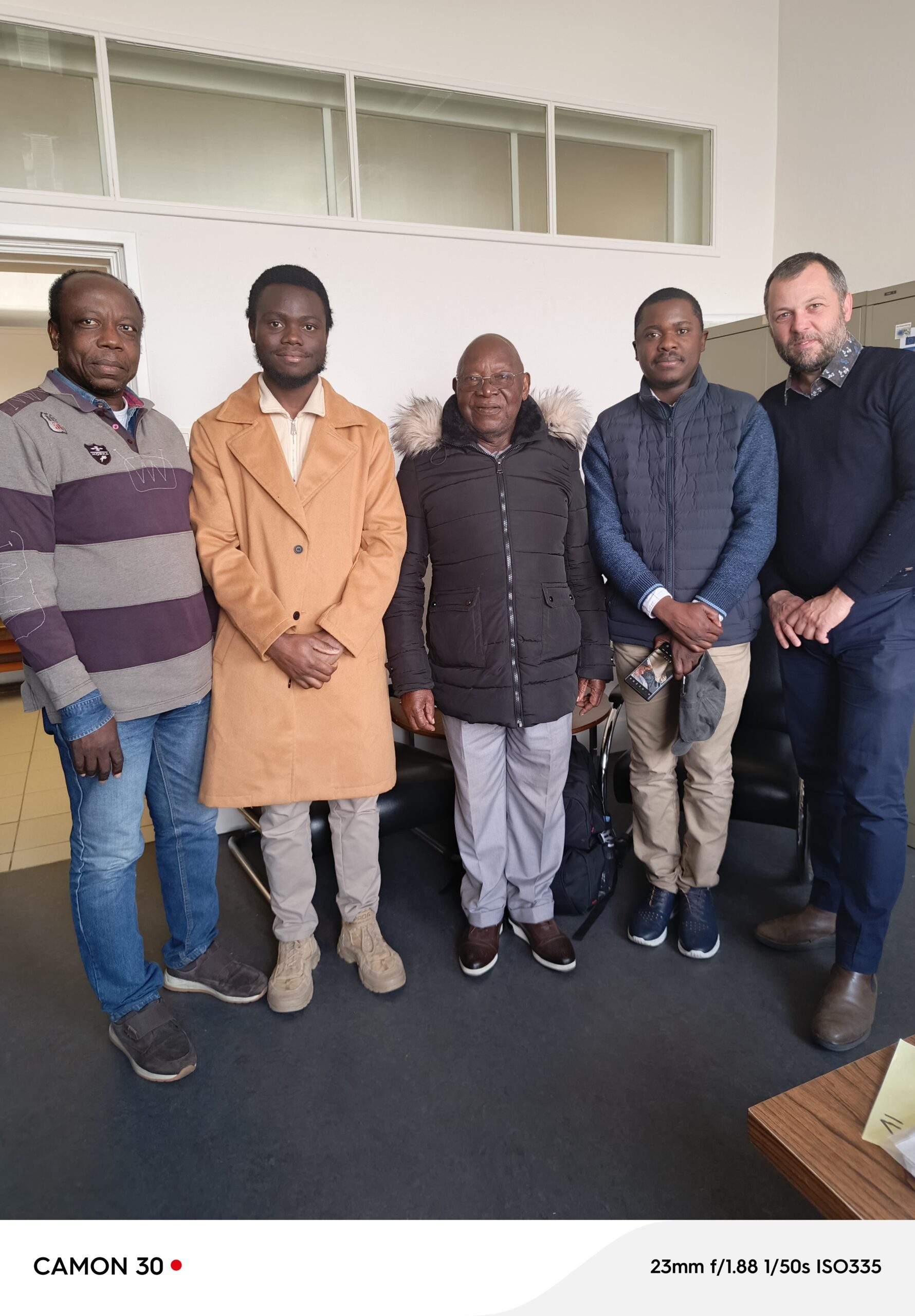
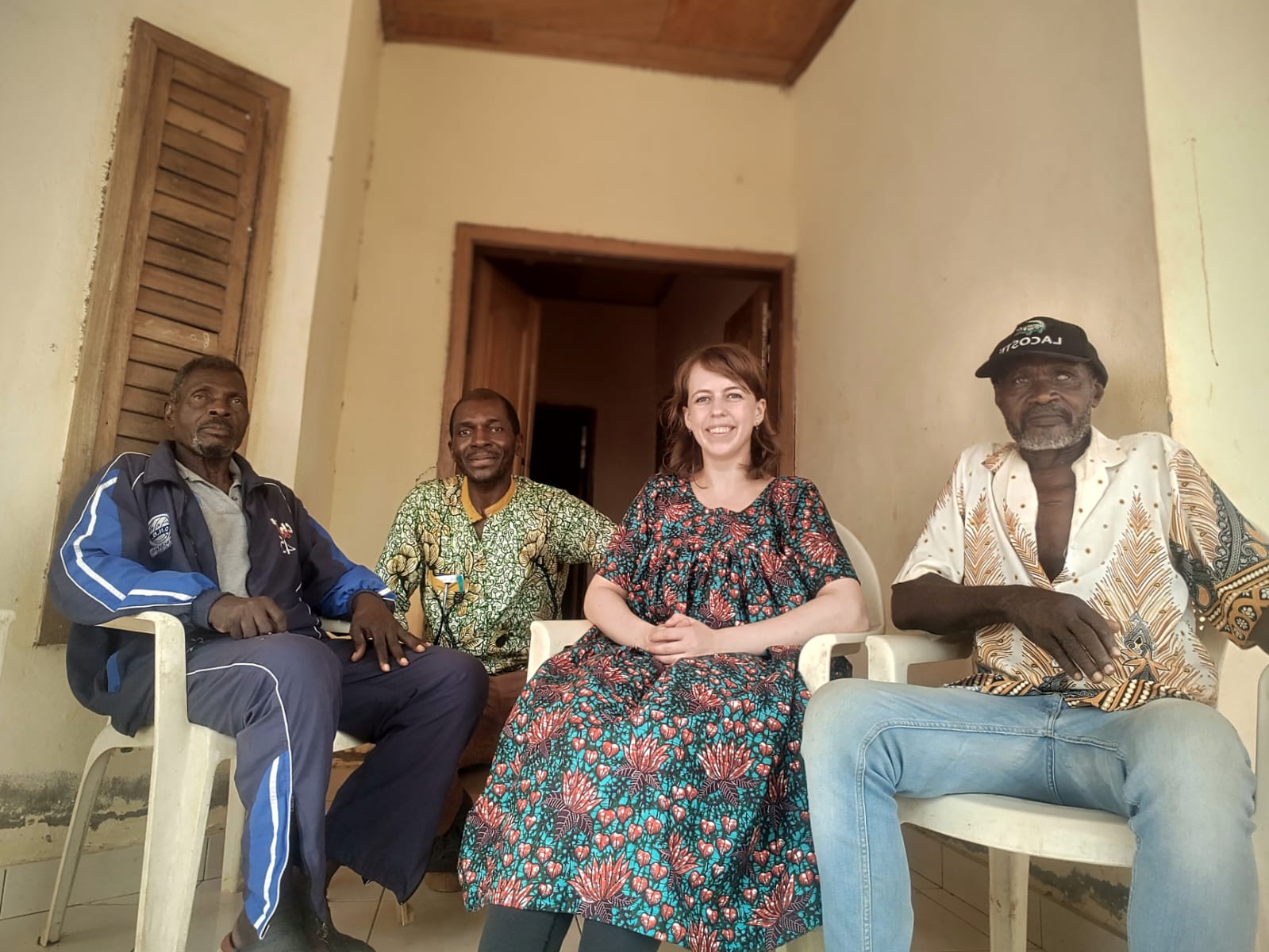
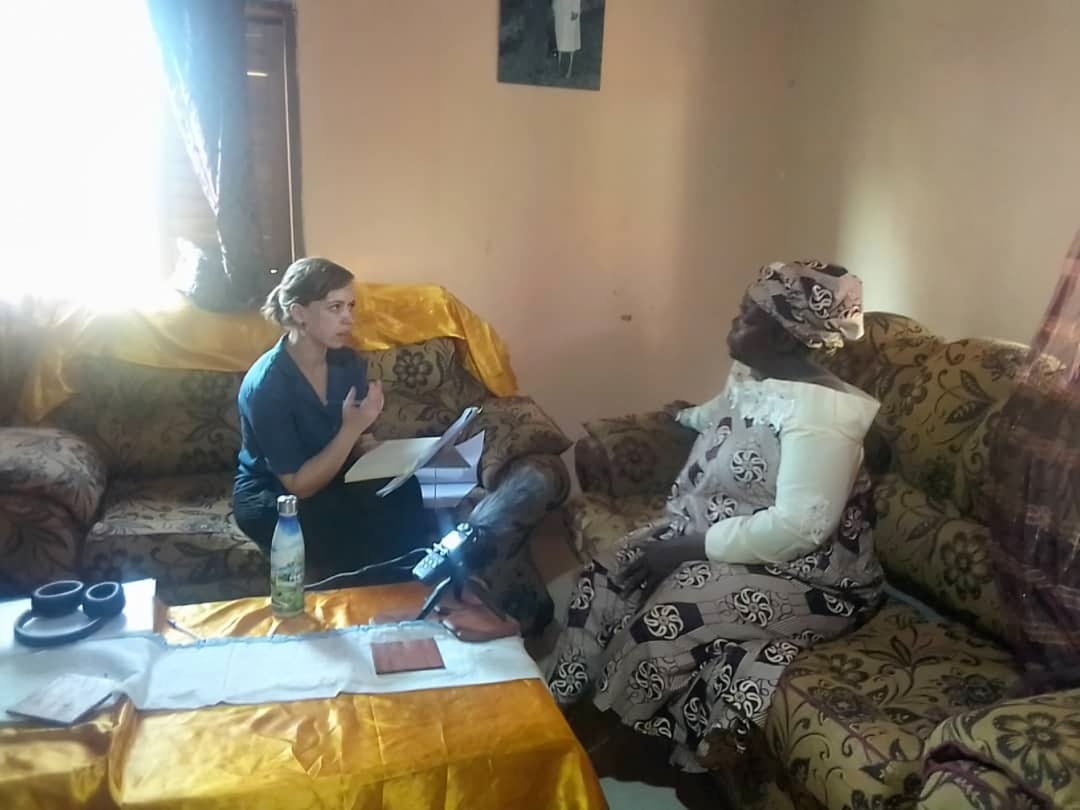
From April 17 to May 8, 2024, the CongUbangi team and associated researchers carried out a first joint fieldwork mission in Gemena and Libenge, in the province of Sud-Ubangi in the Democratic Republic of the Congo (DRC). The linguistic team consisted of Sara Pacchiarotti, Jean-Pierre Donzo Bunza, Paulin Baraka Bose, and Chrisnah Renaudot Mfouhou. The archaeological team consisted of Peter Coutros, Igor Matonda, Holy Ondel Ilo (Institut des Musées Nationaux du Congo), Lucien Pierre Nguerede and Henri Zana. The team collected new linguistic, archaeological and genetic data and worked in close collaboration with local partners. More info is available here.


Presenting the CongUbangi project at the Institut Superieur Pédagogique (ISP) Libenge
About to get on the bus from Gemena to Libenge

Heidi Goes talks for the Kongo Academy

On Saturday May 25, 2024 at 4pm CET, Heidi Goes (BantUGent) talks for the Kongo Academy on “The Possibility of Ibinda as the Single Common Language for Cabinda”. The meeting is online via Zoom (Meeting ID: 874 5748 9201, Passcode: 518094).

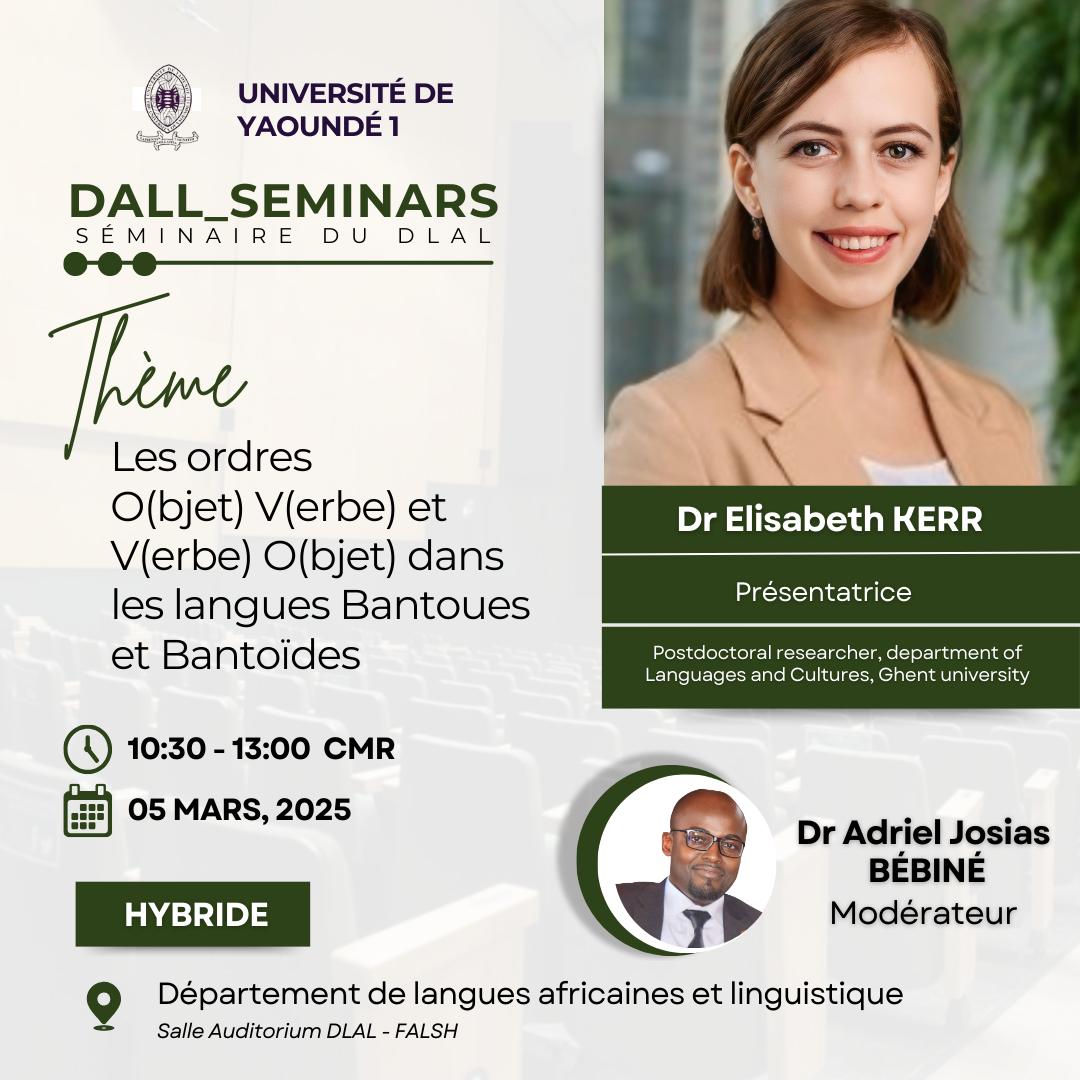
BantUGent welcomes Lis Kerr for postdoctoral research on Mbam Bantu

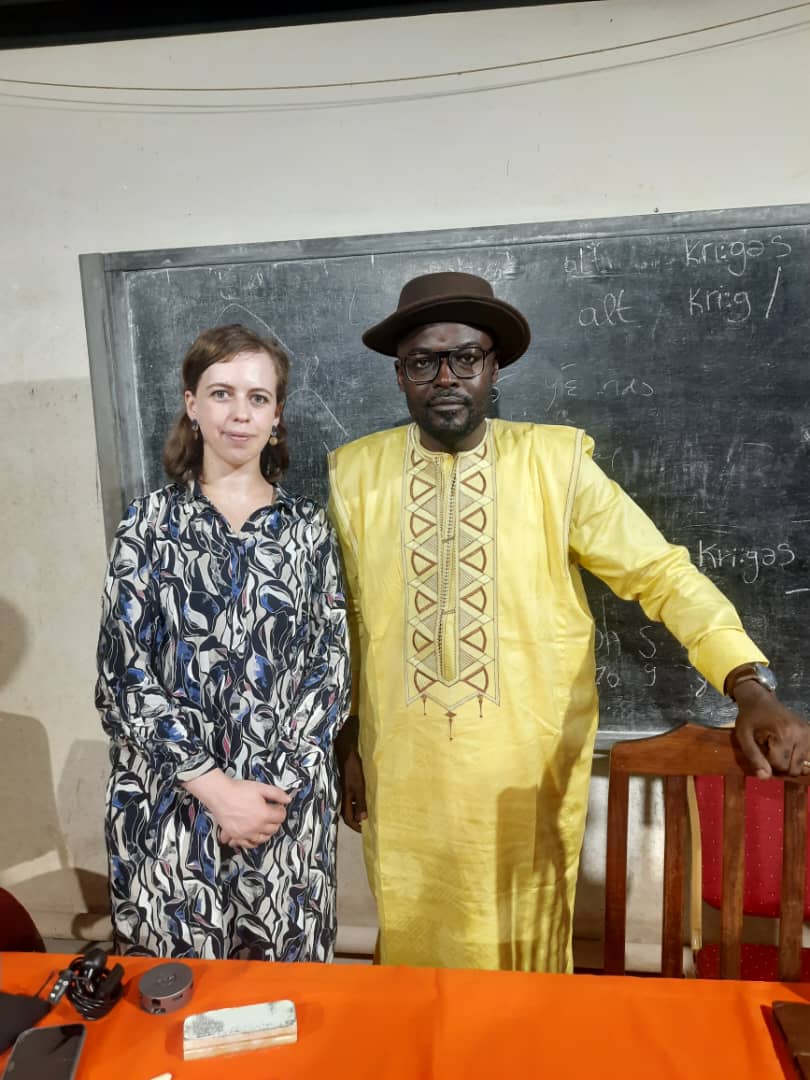
On May 16 2024, Elisabeth (Lis) Kerr , who is currently finishing her PhD research at Leiden University (Netherlands), obtained a 3-year postdoctoral fellowship from the Research Foundation – Flanders (FWO) for research on a project titled “Modelling Bantu Analytic Morphosyntax (MBAM): The Mbam languages as a case study in morphosyntactic change“. The abstract can be found below. Her research will be co-hosted by BantUGent (under the supervision of Prof. Koen Bostoen) and ΔiaLing (under the co-supervision of Prof. Anne Breitbarth and Prof. Alexandra Simonenko). Welcome to BantUGent, Lis!


Abstract

Over time and space, languages can change fundamentally in their structure (morphosyntax). A key example of such variation is the change between analytic and synthetic morphosyntax. Such variation is clearly visible within Niger-Congo, the world’s largest language phylum. On the synthetic side, the Bantu family is particularly well-known in theoretical linguistics for its complex verb forms. Bantu’s closest relatives within Niger-Congo’s Benue-Congo branch, on the other hand, show much more analytic morphosyntax, expressing in multiple words what many Bantu languages typically express using a single verb form. While it is clear that morphosyntactic change has taken place within the Niger-Congo phylum, it is still debated in what direction(s) this change occurred and how such change can be captured in formal models. This debate within Niger-Congo studies reflects a more general question about variation and directionality of morphosyntactic change crosslinguistically. This project will contribute to this theoretical debate about the mechanisms of analytic ↔ synthetic morphosyntactic change by using a case study of the Mbam languages of Cameroon, a group of closely-related Bantu languages with an intermediary morphosyntactic profile. By developing a model to capture the synchronic and diachronic variation in the degree of analyticity of the Mbam languages, the results will contribute to the fields of historical linguistics, theoretical syntax, and African languages.